|
|
|
|
About Us 
|
|
|
|
|
|
|
|
|
|
|
|
|
|
|
|
|
|
|
|
|
|
|
|
|
|
|
|
|
|
|
|
|
|
|
|
|
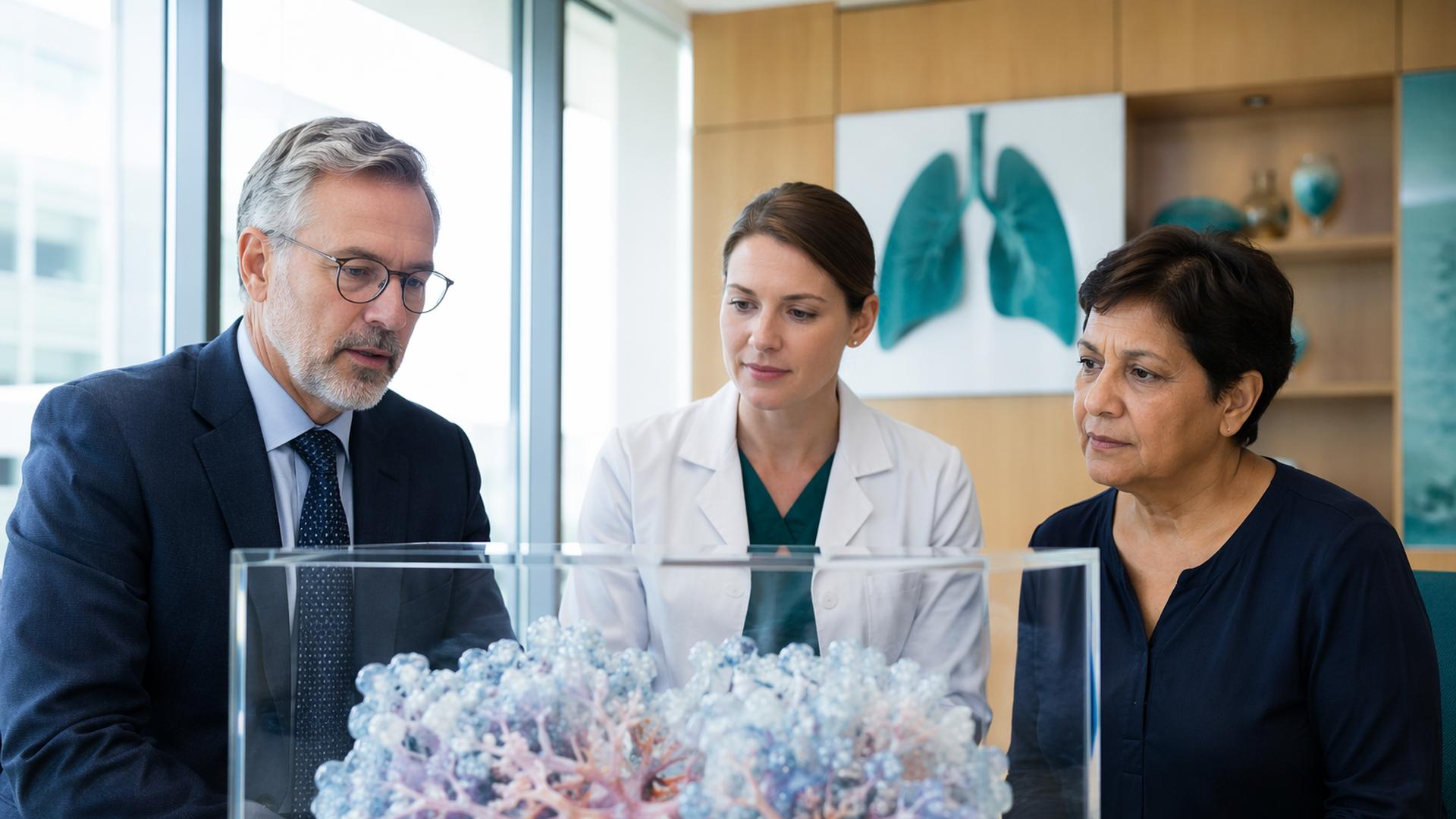
Lung Cancer Consultants at Royal Marsden: Oncologist Expertise and Clinical Services
A cancer diagnosis is one of the most life-altering moments a person can face, and the quality of care that follows makes all the difference. For patients navigating a lung cancer journey in the United Kingdom, few names carry as much weight as The Royal Marsden NHS Foundation Trust. Renowned for its depth of specialist knowledge, its commitment to research-driven medicine, and its multidisciplinary approach to oncology, the hospital has long been regarded as one of the most trusted destinations for complex cancer care. Patients seeking a Royal Marsden lung cancer consultant oncologist are, in many respects, seeking some of the most rigorous and well-supported expertise available anywhere in the country. The institution's reputation is built on decades of clinical excellence, and its lung cancer service reflects that standard at every level.
That reputation, however, comes with a set of realities that prospective patients should understand clearly. Demand is high, pathways can be slow, and the experience of care varies depending on a patient's specific circumstances, including whether they are accessing services through the NHS or privately. This review examines the lung cancer consultancy at The Royal Marsden in full, weighing the strengths of its oncology team and clinical infrastructure against the practical challenges that patients and families sometimes encounter, so that anyone considering this institution can make a genuinely informed decision.
Other Avenues for Expert Lung Cancer Care
While The Royal Marsden is an outstanding institution, it is worth acknowledging that seeking an opinion or ongoing care outside of a large hospital setting is not only a valid choice but can sometimes be the more effective one. Specialist oncologists who work in more focused, independent, or private environments often bring highly personalised attention, shorter waiting times, and greater flexibility in shaping a treatment plan around the patient's life. Dr. James Wilson is one such option worth noting. He offers lung cancer second opinion consultations, providing patients with a thorough, independent clinical review of their diagnosis, imaging, and proposed treatment pathway. For patients who want to feel completely certain about the direction of their care before committing to a course of treatment, this kind of expert, considered a second opinion, can be invaluable. The availability of such a service adds a meaningful layer of reassurance to what is, for most patients, an extraordinarily consequential medical decision.
The Royal Marsden's Standing in Oncology
A Legacy Built on Research and Clinical Rigour
The Royal Marsden was the world's first hospital dedicated entirely to cancer research and treatment, founded in 1851. That heritage is not merely ceremonial. It translates directly into clinical practice through a culture where evidence-based medicine, clinical trial participation, and specialist training are embedded into everyday patient care. The lung cancer team operates within this broader institutional ethos, meaning that patients are treated not only according to current standard-of-care guidelines but also with an awareness of emerging therapies and evolving evidence that many generalist centres simply cannot match.
The hospital holds a Grade A rating from the Care Quality Commission and is consistently ranked among the top cancer centres in Europe. Its consultants regularly publish in peer-reviewed journals, present at international oncology congresses, and contribute to the development of national treatment guidelines. For lung cancer specifically, this means that patients have access to a team that is genuinely shaping the field, not merely keeping pace with it.
Dual-Site Operation and What It Means for Patients
The Royal Marsden operates across two main sites: Chelsea in central London and Sutton in Surrey. The lung cancer service is available at both, though the distribution of specific sub-specialties and clinical trials can differ between locations. Patients should clarify early in the referral process which site will be handling their care, and whether the specific consultant or programme they are seeking is based at the site most accessible to them.
This dual-site model has genuine advantages, including greater geographic reach and a higher overall patient volume that supports the kind of institutional expertise that complex cancer care demands. However, it can also create logistical friction, particularly for patients who live outside London or who have limited mobility. Understanding the geography of one's care pathway from the outset helps avoid unnecessary disruption during treatment.
Clinical Team and Consultant Expertise
Depth and Specialisation Within the Lung Cancer Unit
The lung cancer team at The Royal Marsden is genuinely multi-layered. Consultant medical oncologists are supported by thoracic surgeons, clinical oncologists specialising in radiotherapy, specialist nurses, palliative care physicians, radiologists, and pathologists, all contributing to a coordinated multidisciplinary team (MDT) that reviews each patient's case collectively. This structure is particularly valuable in lung cancer, where the complexity of staging, histological subtyping, and biomarker profiling means that good decisions rarely emerge from a single clinician working in isolation.
Several of the hospital's lung cancer consultants are recognised internationally for their work in specific areas such as immunotherapy, targeted therapy for EGFR and ALK mutations, and the management of mesothelioma. This concentration of sub-specialist knowledge within a single team is rare and represents one of the most compelling reasons to seek care at this institution.
The Consultant-Patient Relationship in Practice
One area where patient feedback shows some variation is the quality of the individual consultant-patient relationship. The Royal Marsden's consultants are, by any objective measure, highly accomplished clinicians. However, the demands placed on senior oncologists at a hospital of this profile, including research commitments, clinical trial oversight, and the sheer volume of complex cases, can sometimes limit the time available for extended consultations.
Patients who prefer a slower, more conversational approach to their care planning have occasionally reported feeling rushed or finding it difficult to ask all of their questions within a standard appointment slot. This is not a reflection of indifference but rather of the structural pressures that come with operating at the frontier of cancer medicine in a publicly funded system. Patients are encouraged to prepare written questions in advance, request additional nursing consultations, and engage actively with the support services the hospital provides.
Diagnostic and Staging Capabilities
Precision Diagnostics as a Foundation for Treatment
Accurate diagnosis in lung cancer is everything. The difference between a non-small cell and small cell diagnosis, or between an adenocarcinoma with an actionable EGFR mutation and one without, determines not just the treatment recommended but the realistic prognosis and quality of life during therapy. The Royal Marsden's diagnostic infrastructure is among the most sophisticated in the UK, incorporating advanced imaging, endobronchial ultrasound (EBUS), liquid biopsy, and comprehensive genomic profiling through its molecular diagnostics laboratory.
The hospital's pathology and molecular biology teams work in close integration with the clinical oncologists, ensuring that biomarker results are returned quickly and interpreted in the context of the full clinical picture. This integration reduces the delays that can occur when diagnostic and clinical teams operate in silos, and it supports faster, more confident decision-making at the MDT.
Key Diagnostic Services Available
Below is a summary of the primary diagnostic modalities available within the lung cancer pathway at The Royal Marsden:
|
Diagnostic Modality
|
Purpose
|
Notes
|
|
CT/PET-CT Scanning
|
Staging and treatment response
|
Available on both sites
|
|
EBUS-guided biopsy
|
Tissue sampling for histology
|
Specialist bronchoscopy unit
|
|
Liquid biopsy (ctDNA)
|
Biomarker detection without surgery
|
Available via the molecular lab
|
|
Comprehensive Genomic Profiling
|
Identification of targetable mutations
|
Supports trial eligibility
|
|
MRI Brain Imaging
|
CNS staging in advanced disease
|
Integrated into the pathway
|
This level of diagnostic completeness is one of the hospital's most significant strengths and a genuine differentiator when compared with standard NHS trusts.
Treatment Options and Clinical Trials
Breadth of Therapeutic Approaches
The Royal Marsden offers the full spectrum of lung cancer treatment modalities, including surgery (in partnership with thoracic surgical teams), radical and palliative radiotherapy, including stereotactic ablative radiotherapy (SABR), systemic anti-cancer therapies (SACT) covering chemotherapy, targeted therapy, and immunotherapy, and best supportive care. The integration of these modalities within a single institution means that patients rarely need to be transferred to receive a different type of treatment, which reduces delays and preserves continuity of care.
The hospital is also a national leader in adaptive radiotherapy and has invested significantly in proton beam therapy capability. For patients with early-stage disease who are not surgical candidates, or for those with complex anatomical situations, these advanced radiotherapy techniques can represent the difference between a curative and palliative approach.
Access to Clinical Trials
One of the most practically significant advantages of seeking care at The Royal Marsden is the breadth of clinical trial access available to lung cancer patients. The hospital is consistently among the highest recruiters to oncology trials in the UK, including first-in-human Phase I studies, Phase II basket trials for molecularly defined patient populations, and large Phase III studies that shape future standard-of-care.
Key advantages of the trial programme include:
- Early access to novel agents that are not yet commercially available, including next-generation targeted therapies and combination immunotherapy regimens.
- Close monitoring and data collection that often result in more frequent clinical contact than standard-of-care alone would provide.
- No additional cost to NHS patients for investigational treatments administered within a trial, which can be significant given the cost of some targeted agents.
Patients interested in trial participation should raise this proactively with their consultant, as eligibility windows can close quickly and awareness of current open studies varies among clinical staff.
Patient Experience and Support Services
Practical Realities of Waiting Times and Access
Access to The Royal Marsden, particularly through NHS referral, is not uniformly straightforward. Waiting times for new patient appointments and diagnostic procedures can be longer than the NHS target standard in some periods, reflecting both the hospital's national catchment area and the complexity of the cases it attracts. Patients referred from outside the host NHS regions may experience additional administrative steps before their care pathway formally begins.
Private patients generally access the service more quickly and with greater scheduling flexibility, though the cost of private oncology care at a specialist institution of this standing is substantial. It is worth obtaining a clear financial estimate before committing to a private pathway, particularly as treatment in lung cancer often extends over many months and involves multiple treatment modalities.
Emotional and Psychological Support
The Royal Marsden takes psychological and emotional support seriously, and this is an area where the institution performs well. A dedicated team of clinical psychologists, specialist lung cancer nurses, social workers, and palliative care specialists works alongside the clinical team to support patients and their families from the point of diagnosis onwards. The hospital also has strong links with external support organisations and can facilitate access to peer support networks.
That said, accessing these services proactively requires patients to ask. In the busy environment of a major cancer centre, support services are not always automatically introduced at the first appointment, and patients who are not assertive in seeking emotional and practical support may not always receive it as early as would be ideal.
Below is a brief overview of support dimensions patients should be aware of:
- Specialist lung cancer nurses who serve as a point of contact throughout the treatment pathway and can answer questions between consultant appointments.
- Palliative care input available from early in the pathway, not solely at the end of life, consistent with modern integrated care models.
- Financial guidance through the hospital's social work team, particularly relevant for patients who face employment or benefit implications from a lung cancer diagnosis.
Weighing the Evidence: A Summary of Strengths and Limitations
The Case for Seeking Care Here
For patients with complex, advanced, or treatment-resistant lung cancer, or for those whose molecular profiling reveals an uncommon targetable mutation, The Royal Marsden represents one of the strongest choices available in the UK. The combination of diagnostic precision, clinical trial access, and multi-disciplinary expertise is difficult to match, and for many patients, the institution's involvement will meaningfully alter the trajectory of their care.
Where Expectations Should Be Managed
For patients who are primarily seeking straightforward, well-communicated care in a less pressured environment, the Royal Marsden may not always feel like the right fit, at least not as a first port of call. The hospital is optimised for complexity and innovation rather than for high-volume, time-efficient standard-of-care delivery. Patients should arrive with clear expectations and, wherever possible, with a patient advocate or family member who can help navigate the pathway alongside them.
|
Factor
|
Strength
|
Limitation
|
|
Clinical expertise
|
World-class, sub-specialist oncology team
|
Senior consultant time can be limited per patient
|
|
Diagnostics
|
Comprehensive, integrated, cutting-edge
|
Complex reports can be difficult for patients to interpret
|
|
Trial access
|
Among the broadest in the UK
|
Eligibility criteria can exclude many patients
|
|
Support services
|
Genuinely high quality when accessed
|
Not always proactively offered; patients must ask
|
|
Waiting times
|
NHS pathway available; private access faster
|
NHS waits can be significant; private costs are high
|
|
Location
|
Two sites covering London and Surrey
|
Challenging for patients based outside the South East
|
Making the Right Choice for Your Lung Cancer Care
Choosing where to receive lung cancer care is one of the most consequential decisions a patient or family will ever make, and it deserves to be approached with both careful research and honest self-reflection about what matters most. The Royal Marsden stands as an exceptional institution by almost every clinical measure. Its consultants are experts in the truest sense, its diagnostic capabilities are state-of-the-art, and its clinical trial portfolio offers genuine hope to patients who might have few options elsewhere. For patients whose cases are complex, whose disease is advanced, or who want to ensure they are receiving care at the frontier of what oncology science currently makes possible, the hospital's lung cancer service is a genuinely compelling choice. At the same time, it would be doing prospective patients a disservice to present the experience as uniformly seamless. Waits can be real, appointments can feel pressured, and the emotional weight of navigating a major academic cancer centre is not trivial. The strengths are substantial, but they come packaged with a set of practical realities that patients and families should factor into their planning. Understanding both sides of that equation, as this review has attempted to do, is the foundation of a decision made with clarity and confidence. |